Residential Cleaning Services in Seattle for Weekly and Biweekly Plans
Seattle homes collect mess in their own particular way. A little rain at the front door turns into muddy prints by the afternoon. Pollen drifts in during spring, dog hair finds every baseboard, and hard water marks creep onto shower glass faster than most people expect. Add work schedules, school pickups, long commutes, and the simple fact that life keeps moving, and it becomes clear why so many households start looking at recurring help instead of one-off deep cleans.
That is where weekly and biweekly service tends to make the most sense. It is not just about having a tidy kitchen for a day or two. It is about creating a rhythm that keeps the home comfortably livable without the usual cycle of letting things slide, then spending half a weekend catching up. For a lot of Seattle families, professionals, retirees, and renters, recurring cleaning is less of a luxury than a practical way to protect time and lower stress.
The phrase Residential Cleaning Services in Seattle covers a wide range of offerings, and that is part of the confusion. One company may focus on maintenance cleaning with the same crew every visit. Another may offer larger teams and faster turnarounds. Some are better with older homes that need gentler products and more detailed dusting. Others shine in modern condos where parking, elevators, and building rules shape the whole appointment. Choosing between weekly and biweekly service is not just a budget decision. It is also about how your home is used, how quickly mess builds up, and what level of reset makes the biggest difference in your day-to-day life.
Why recurring cleaning works better than occasional catch-up
One-time cleanings absolutely have their place. Move-outs, post-renovation visits, holiday preparation, and those moments when a house simply gets away from you all call for a different scope. But most homes stay cleaner, and feel better to live in, when the work happens on a steady schedule.
A weekly plan keeps buildup from ever getting too far ahead. Floors stay under control, bathrooms stay manageable, and the kitchen rarely reaches that demoralizing point where every surface needs attention at once. In homes with children, multiple adults, indoor pets, or frequent cooking, weekly service often ends up being the more efficient choice because cleaners spend less time fighting accumulation and more time maintaining a polished baseline.
Biweekly cleaning works well for households that are out often, travel for work, live in smaller spaces, or already keep up with basic daily tasks. If the home is generally orderly and the biggest pain points are bathrooms, mopping, dusting, and kitchen detailing, every two weeks can be enough to keep the place feeling under control.
The real value is consistency. A crew that sees your home regularly learns its quirks. They know that the guest bath barely gets used but the main shower needs extra attention, that dog hair gathers along the stairs, or that the lower window sills get damp in the winter. Over time, good cleaners stop treating your house like a generic property and start maintaining it like a familiar space.
Seattle homes have their own cleaning patterns
Cleaning in Seattle is not exactly the same as cleaning in a drier climate or a newer suburban market. The weather matters, and so does the housing stock. Older Craftsman homes can trap dust in trim details, radiators, and original woodwork. Condos downtown present their own challenge, especially when moving supplies through secured entrances or timing service around elevator access. In neighborhoods with lots of tree cover, leaves, moisture, and debris make entryways dirtier than people expect, even if no one wears shoes inside.
Lumenloft Home CleaningProfessional cleaning services for homes and businesses in the Seattle area.
Covering the following areas:
Auburn, WA
Issaquah, WA
Federal Way, WA
Renton, WA
Bellevue, WA
North Bend, WA
Bonney Lake, WA
Snohomish, WA
Covington, WA
Kent, WA
Phone: 253-478-6024
[email protected]
There is also the issue of indoor living. During cooler, darker months, people spend more time at home. That means more cooking, more clutter migration, more crumbs in living areas, and more traffic across floors. A recurring schedule helps offset that seasonal buildup before it turns into a major reset project.
I have seen this play out in homes that looked fairly neat at first glance but were slowly becoming harder to maintain. The counters were clear, yet the bathroom grout was dulling, dust had thickened on shelves, and the floors felt slightly gritty underfoot. Nothing looked disastrous. The problem was cumulative. A weekly or biweekly visit solved that far better than waiting for a once-every-few-months marathon cleaning.
Weekly or biweekly, the better choice depends on how you live
People often ask which plan is “best,” but the honest answer is that it depends on pace, occupancy, and tolerance. Some households notice every fingerprint on stainless steel. Others care much more about sanitized bathrooms and fresh floors than perfectly polished decor.
These are the situations where weekly service usually earns its keep:
- You have kids, pets, or both, and the house turns over quickly.
- You cook most meals at home and your kitchen gets heavy daily use.
- Someone in the household works from home and notices clutter and dust more often.
- You host regularly, even casually, and want the home guest-ready without a rush.
- Bathrooms and floors seem to look tired just a few days after cleaning.
Biweekly service tends to fit best when the home is occupied lightly, the household already handles dishes and surface tidying, and there is a realistic expectation that things will drift a little between visits. It is also a common starting point for people new to recurring cleaning. After a month or two, many adjust either up or down once they see how the home holds up.
A practical example helps. A two-bedroom condo in Belltown with one occupant who travels frequently may stay perfectly comfortable on a biweekly plan. A three-bedroom house in Ballard with two children, a Labrador, and lots of home cooking usually benefits from weekly care, especially through fall and winter. Same city, very different cleaning load.
What is usually included in recurring residential service
Most recurring plans cover the tasks that keep a home consistently livable: kitchen wipe-downs, appliance exteriors, bathroom cleaning and sanitizing, dusting accessible surfaces, vacuuming, mopping, bed making if requested, and light straightening. Exact scope varies by company, and that is worth clarifying before the first visit.
The difference between a quality recurring service and a rushed one is often in the details that are easy to miss on paper. Does the team move lightweight items when dusting, or do they clean around them? Are baseboards spot-cleaned as needed, or only during deep cleans? Will they rotate detail work so one visit may include front-facing cabinet wipe-downs while another catches window sills or reachable vents? Those judgment calls are what separate a generic cleaning from one that genuinely improves how a home feels.
It is also common for the first appointment to cost more or take longer. If a home has not had professional care recently, the team needs time to establish a baseline. That first reset matters. Once the buildup is removed, weekly or biweekly visits can maintain it more efficiently.
Price matters, but value matters more
Seattle is not a low-cost service market, and cleaning rates reflect that. Labor, travel time, parking, insurance, supplies, and employee wages all feed into the final price. The cheapest quote is often cheap for a reason. Sometimes it means an unrealistic time slot, undertrained staff, inconsistent crews, or a scope so narrow that the service does not actually solve your problem.
A better way to think about pricing is to compare what you are getting for the recurring spend. A strong weekly plan may save several hours every weekend, reduce friction between family members over chores, and keep high-use rooms in much better shape. Biweekly service may be enough if you want help with the heavier cleaning but do not mind doing occasional touch-ups yourself.
There is also long-term maintenance to consider. Regular bathroom cleaning helps slow soap scum and mineral buildup. Routine floor care reduces embedded grit that can wear surfaces over time. Kitchen maintenance can keep grease from settling into corners and vents. None of that is glamorous, but it does preserve the condition of the home.

The first visit sets the tone for everything after
The onboarding process tells you a lot about a cleaning company. If they ask thoughtful questions, that is usually a good sign. A home with a senior dog, delicate stone counters, or a baby crawling on the floors should not be treated exactly the same as a short-term rental or a minimal-use condo.
Good companies ask about parking, entry instructions, pets, product preferences, trouble spots, and whether there are rooms you want skipped. They also explain what “tidying” means in practice. Cleaners can do their best work when surfaces are accessible. They are there to clean, not to spend half the appointment sorting paperwork, toys, and clothing piles.
This is also the moment to be honest about expectations. If you care deeply about streak-free mirrors, ask for it. If one bathroom needs extra attention every time, say so. If you prefer fragrance-free products, mention it before the crew arrives. Clear communication prevents disappointment on both sides.
Homes in Seattle often need customized plans
Recurring service is not always one-size-fits-all, even within the same schedule. I have seen households on weekly plans that only need the upstairs cleaned every other visit. I have also seen biweekly clients add a monthly interior fridge clean or occasional linen change because that is what keeps the house functioning smoothly.
This becomes even more relevant if your needs overlap with other property types. A family may use Residential Cleaning Services in Seattle for their primary home, then need Airbnb Cleaning Services in Seattle for a backyard cottage or mother-in-law unit. Those are very different service styles. Airbnb turnovers are fast, inventory-sensitive, and guest-facing. Residential maintenance is steadier and more personalized. A company that offers both can be useful, but you want to make sure they understand the operational difference.
The same logic applies to mixed-use households. lumenloftwa.com Professional Cleaning Issaquah Some clients run a small business from home and wonder if that calls for a different scope. In many cases, it does. Home offices with client traffic, break areas, or shared workspaces can edge closer to Professional Commercial Cleaning Services in Seattle than standard residential maintenance. A smart cleaning partner will help define that line rather than pretending every environment should be priced and handled the same way.
Nearby cities shape the conversation too
Seattle households do not exist in isolation. Many families move between the city and surrounding areas for work, school, and housing reasons. It is common to compare service styles across nearby markets such as Renton and Issaquah.
For example, homeowners looking into Professional Cleaning in Renton often prioritize larger floor plans, family-heavy use, and straightforward driveway access. Those details can influence how long a recurring appointment takes compared with a smaller city apartment in Seattle. On the Eastside, clients searching for Cleaning Services in Issaquah may have different concerns, including mud tracked in from trails, more square footage, or newer homes with open layouts that show dust quickly. The core decision remains the same though: how often does the home need resetting to keep daily life manageable?
The reason this matters is simple. A cleaning plan should fit the home you actually have, not a generic package. Geography affects parking, traffic, weather exposure, and home design, all of which shape the service.
What separates a reliable cleaning company from a frustrating one
A polished website does not tell you much. Reliability shows up in quieter ways. It shows up when the company confirms appointments clearly, arrives in the expected window, handles key or access instructions carefully, and follows through on special notes without needing to be reminded every time.
A few things are worth asking before you commit:
- Will the same cleaner or team return regularly, or will it rotate?
- What happens if a scheduled cleaner is sick or running late?
- Are supplies and equipment included, and can they accommodate product preferences?
- How do they handle feedback, touch-ups, or missed areas?
- Is the first visit priced differently because it includes extra detail work?
That short conversation can save weeks of frustration. Recurring cleaning works best when the service is predictable. If every appointment feels different, the household never quite relaxes into the benefit of having help.
Preparing for service without overthinking it
People sometimes feel they need to “clean before the cleaners,” which defeats the purpose. You do not need to scrub sinks or vacuum first. But a little pickup goes a long way. Putting away loose clothing, paperwork, toys, and dishes allows the crew to spend their time on actual cleaning rather than basic sorting.
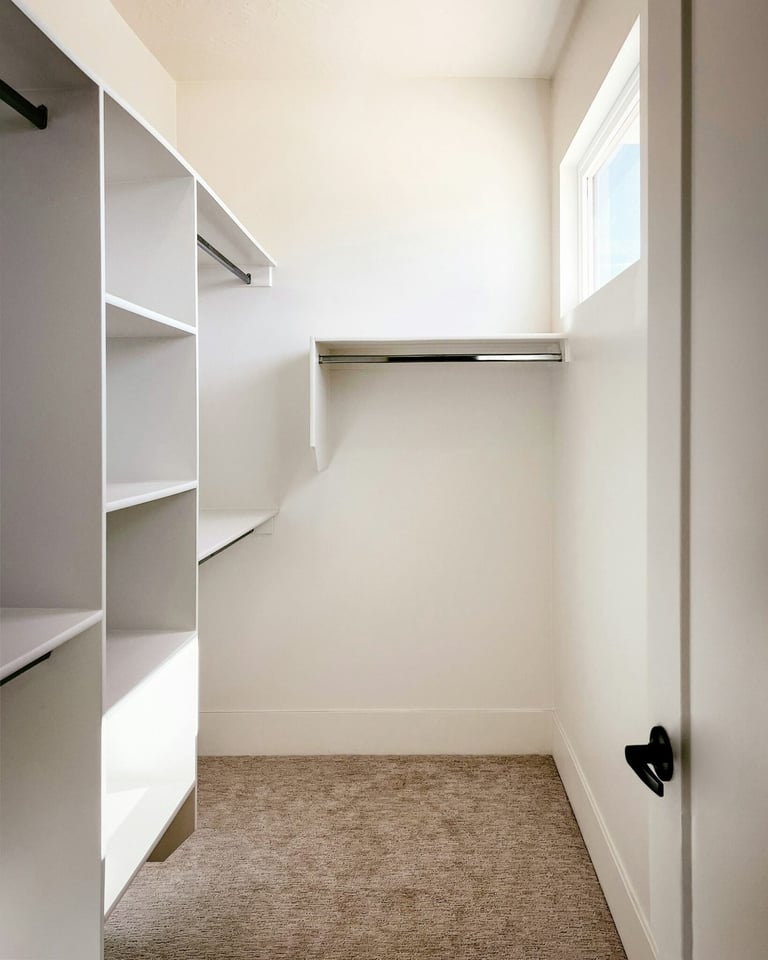
This is especially true on biweekly plans. Since more time passes between visits, clutter can spread. If the home is very full when cleaners arrive, they may have to work around items rather than reaching the surfaces underneath. The result is a house that looks improved but not fully refreshed.
One practical trick is to do a ten-minute reset the night before. Clear counters, gather laundry, and make sure the floors are reasonably accessible. That simple habit can noticeably improve the quality of each visit.
The emotional value is real, even if people do not always say it out loud
There is a reason clients keep recurring cleaning even when they cut back elsewhere. It changes how the home feels. Walking into a clean bathroom after a long workday, or waking up to crumb-free floors and a wiped-down kitchen, has a real effect on stress levels. Parents often mention that they become less irritable when chores stop piling up in the background. Couples argue less about who did not get to the vacuuming. People working from home concentrate better in a space that feels maintained.
That is not vanity. It is functional quality of life.
I have also seen recurring cleaning help during temporary life transitions that quietly strain a household. New babies, injury recovery, demanding work seasons, caregiving, grief, or a packed school schedule can all make ordinary chores feel disproportionally heavy. Weekly or biweekly service creates breathing room when people need it most.
When to change your plan
A cleaning schedule should not be locked forever. Homes change. Kids start school, pets age, work travel increases, or a spare room turns into a daily office. If your current plan feels slightly off, it probably is.
A home on biweekly service may need to move to weekly during winter, then shift back later. A weekly client may step down after children leave for college. Some people keep biweekly maintenance all year and add a more detailed seasonal clean once or twice annually. Flexibility is one of the strengths of recurring service when the company is willing to adapt.
The main test is straightforward. By the day before your next cleaning, does the house still feel manageable, or does it already feel overdue? If it is consistently overdue, that is a sign to increase frequency. If it still feels mostly fine, you may have room to scale back.
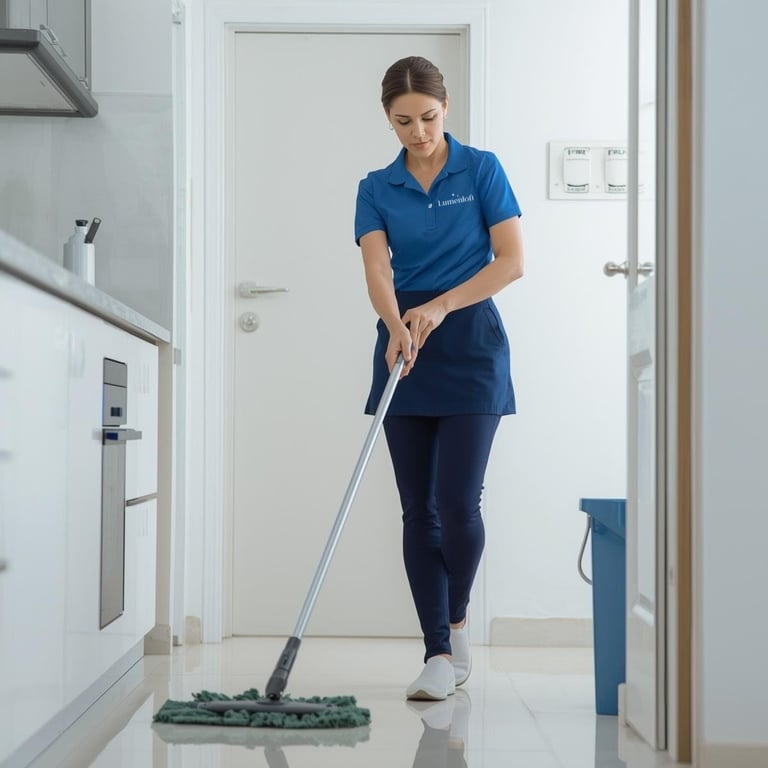
A good cleaning plan should feel like support, not another task to manage
The best residential service blends into the life of the home. It does not create more admin, more confusion, or more cleanup before and after. It should make the week run smoother. You know it is working when you stop thinking about bathrooms, floors, and dust all the time because those things are simply handled.
For Seattle households, weekly and biweekly plans remain the most sensible options because they match the pace of real life. Weekly service delivers tighter control, especially in busy homes. Biweekly service offers meaningful relief for households that can maintain the space in between. Neither is universally better. The right choice is the one that fits your traffic, your standards, and the way your home is actually used.
If you are weighing the decision now, start by looking honestly at your pattern rather than your ideal. How fast do the bathrooms turn? How long do clean floors last? How much time do you want to spend catching up on weekends? Once you answer those questions, the right recurring plan usually becomes obvious. And when it is set up well, Residential Cleaning Services in Seattle can feel less like an extra expense and more like a practical household system that keeps everything moving.